What to Expect in Your First Equine Therapy Session
Stepping into an equine therapy session for the first time can feel both exciting and uncertain. You might wonder what it will be like to meet a horse in a therapeutic setting; What you’ll do, how it might feel, or what will be expected of you.
At Wild Equine Therapy, every session is designed to help you feel safe, grounded, and supported as you begin this process. Together, we create space for reflection, calm, and connection, with Casper as your equine partner in healing.
Arriving and Settling In
When you arrive at the ranch, there’s no rush and no pressure to “know what to do.” You’ll be greeted and guided to the space where we work, often outdoors, surrounded by the quiet sounds of nature and the comforting presence of the horses in the pasture.
Before anything begins, we’ll take a few minutes simply to arrive:
You’ll have time to breathe, look around, and take in the environment.
We’ll talk briefly about what brings you here, what you hope to explore or experience, review paperwork, and allow time to understand the setting.
I will gather some information about you, your history, and together we will create a treatment plan.
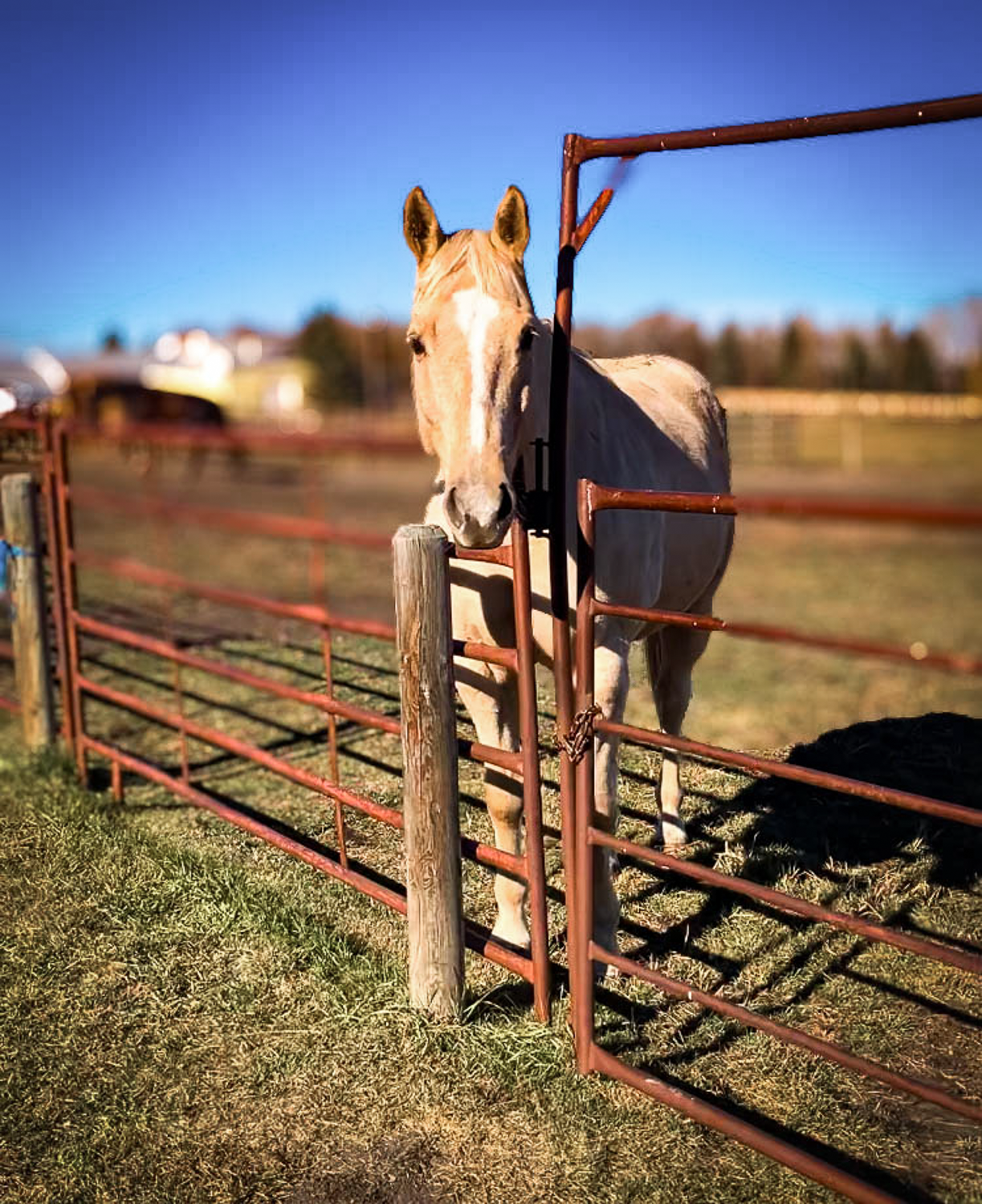
Often, the first session is taken in the surroundings, over the fence, while we all get to know each other.
Meeting Casper
Casper is a Quarter Horse gelding born in 2011, and the heart of Wild Equine Therapy. His calm nature and deep sensitivity make him an intuitive and grounding partner in the therapeutic process.
You’ll be introduced to him slowly and respectfully, on his terms and yours:
Sometimes this means observing him quietly before approaching.
Other times, you might stand nearby and notice his movements or his breath.
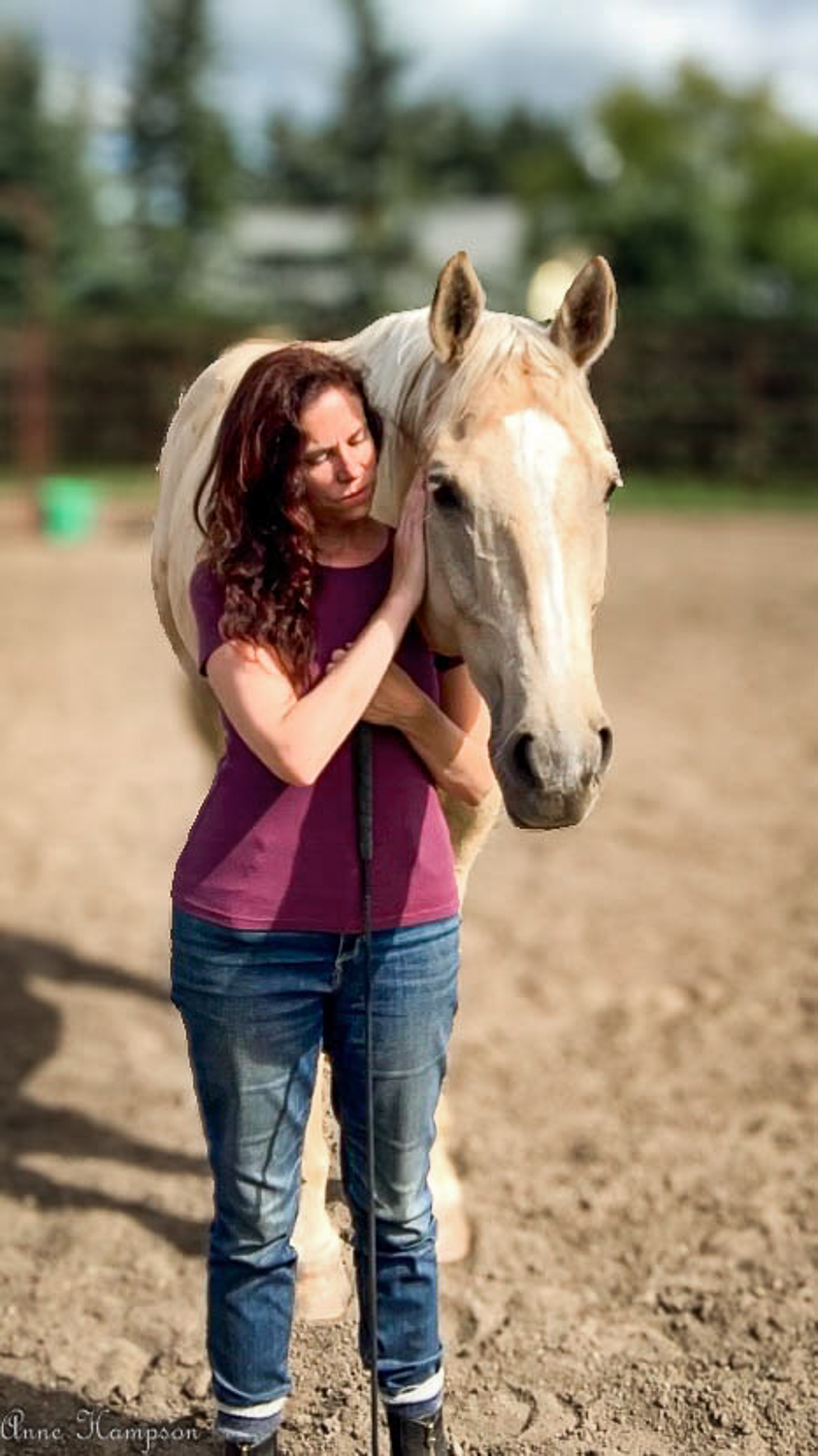
When you’re ready, you can meet him up close, perhaps offering a hand, brushing him, or simply standing together in silence.
There’s no riding in these sessions. Everything takes place on the ground, through relationship, awareness, and connection. The goal isn’t to control or direct Casper, but to notice what unfolds between you.
Gentle Interaction and Observation
Once you and Casper have had time to meet, we’ll begin a simple activity, always at a pace that feels comfortable. This often starts to happen following the first session.
This might include:
Grooming or brushing him while paying attention to your breath and body.
Leading him through the arena or walkway and noticing how he responds to your cues and energy.
Standing near him and simply observing how he mirrors your emotions or movement.
Casper is incredibly attuned to human energy. You may notice that he comes closer when you’re calm, or pauses when you feel unsure. These subtle interactions become rich opportunities for awareness and self-reflection.
Reflection and Meaning
After and during our time with Casper, we’ll pause to reflect together. You might share what you noticed, or I might ask gentle questions like:
“What did you feel in your body when you stood beside him?”
“What did you notice in his eyes or his breath?”
“Did you feel connected, distant, curious, or calm?”
This reflection isn’t about analyzing or performing, it’s about noticing. The horses respond to what’s true in the moment, without judgment, and that can help you see yourself more clearly and kindly.
We might also spend time talking about your current struggles, the reasons that have brought you here, and what you need to create safety within your body at this time with Casper.
Integration and Closing
As we near the end of the session, we’ll bring our attention back to the present.
You may want to thank Casper, spend a few quiet moments with him, or step away and breathe.
We’ll talk about any insights or feelings that came up, and how they might connect to your life outside the barn: relationships, self-awareness, or emotional regulation.
After Your Session
Most people leave feeling grounded, calm, or thoughtful, though every experience is unique.
It’s common to continue reflecting for a few days afterward as your body and mind process the experience.
You might:
Write down anything that stood out.
Take a quiet walk or spend time in nature.
Notice shifts in your body, mood, or breathing.
Each session builds on the last, deepening trust, connection, and understanding of both yourself and the horse.
Preparing for Your First Visit
A few simple tips to make your first session comfortable:
Wear closed-toe shoes or boots and clothing you can move in.
Dress in layers as we often work outdoors or in an open-air arena, but we also can have access to an indoor space when the weather turns colder
Bring an open mind! There’s no need to know about horses or therapy beforehand.
The Heart of the Work
At Wild Equine Therapy, healing begins through relationship, not through performance, pressure, or perfection. Casper’s calm presence reminds us that growth happens in stillness and connection.
Each session is an opportunity to slow down, to listen, and to be seen by a horse who meets you exactly as you are.
If you’re curious about starting, book in for a free consultation. I’d love to meet you here at the ranch!