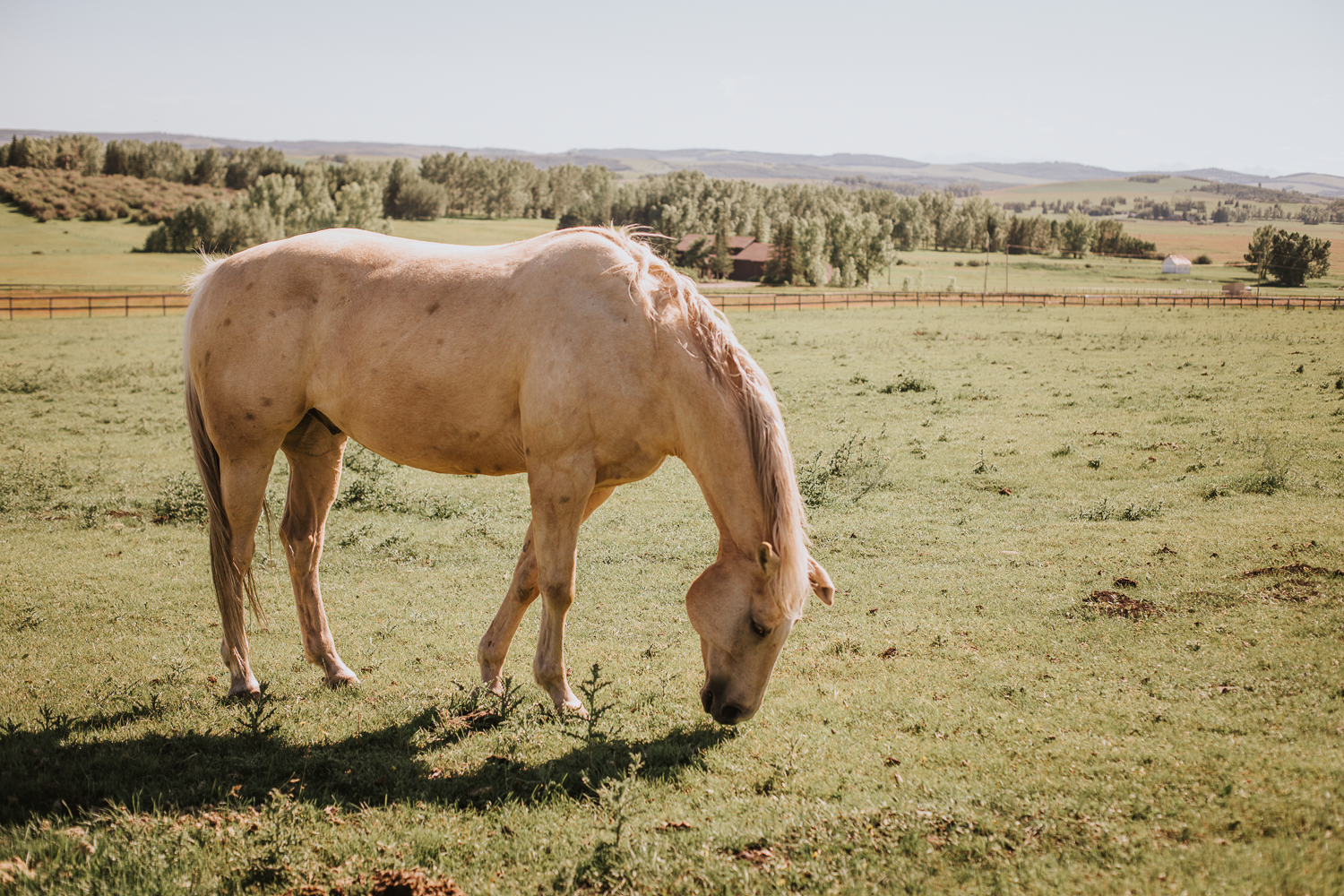
Our Therapy Horse
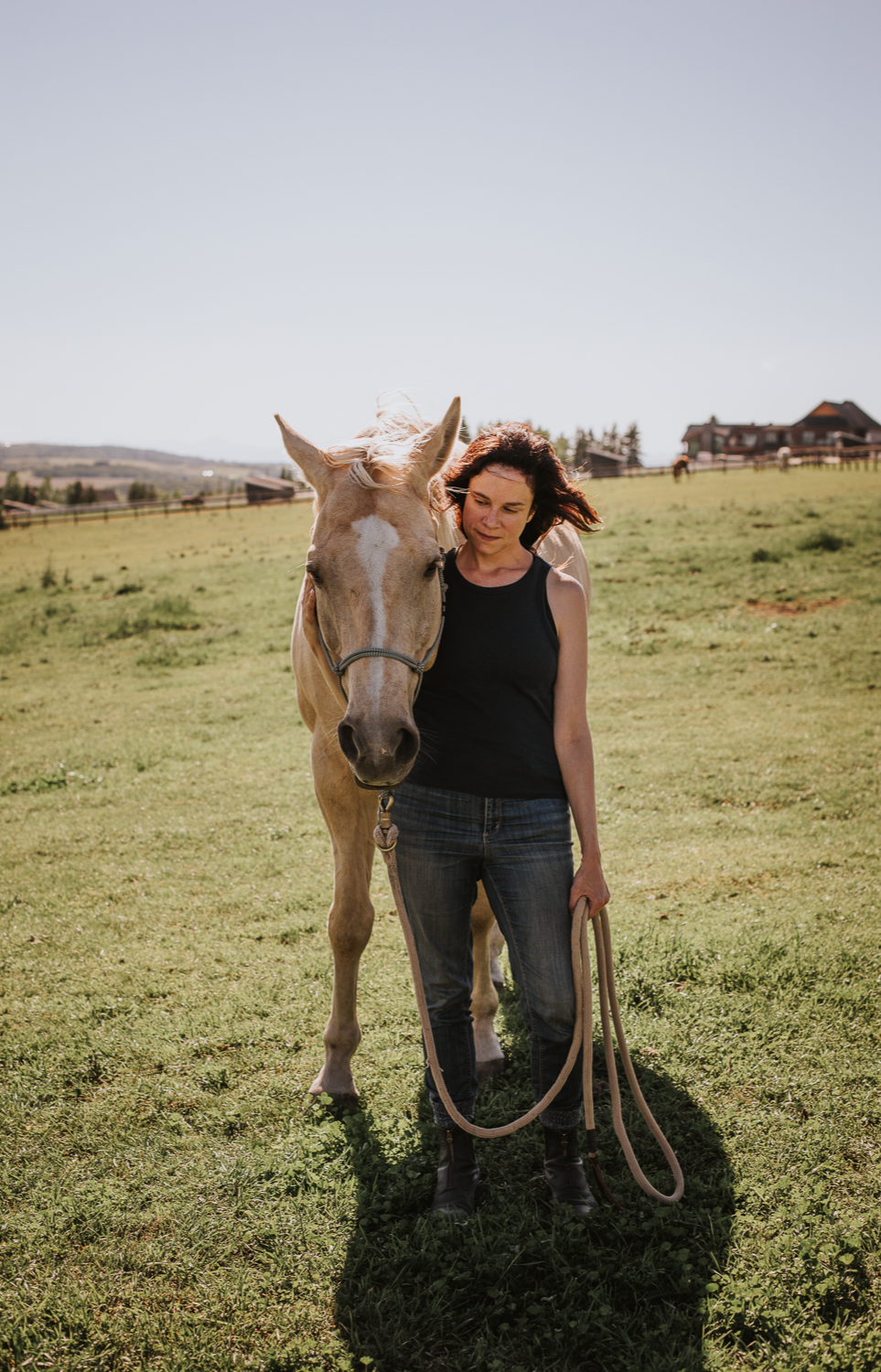
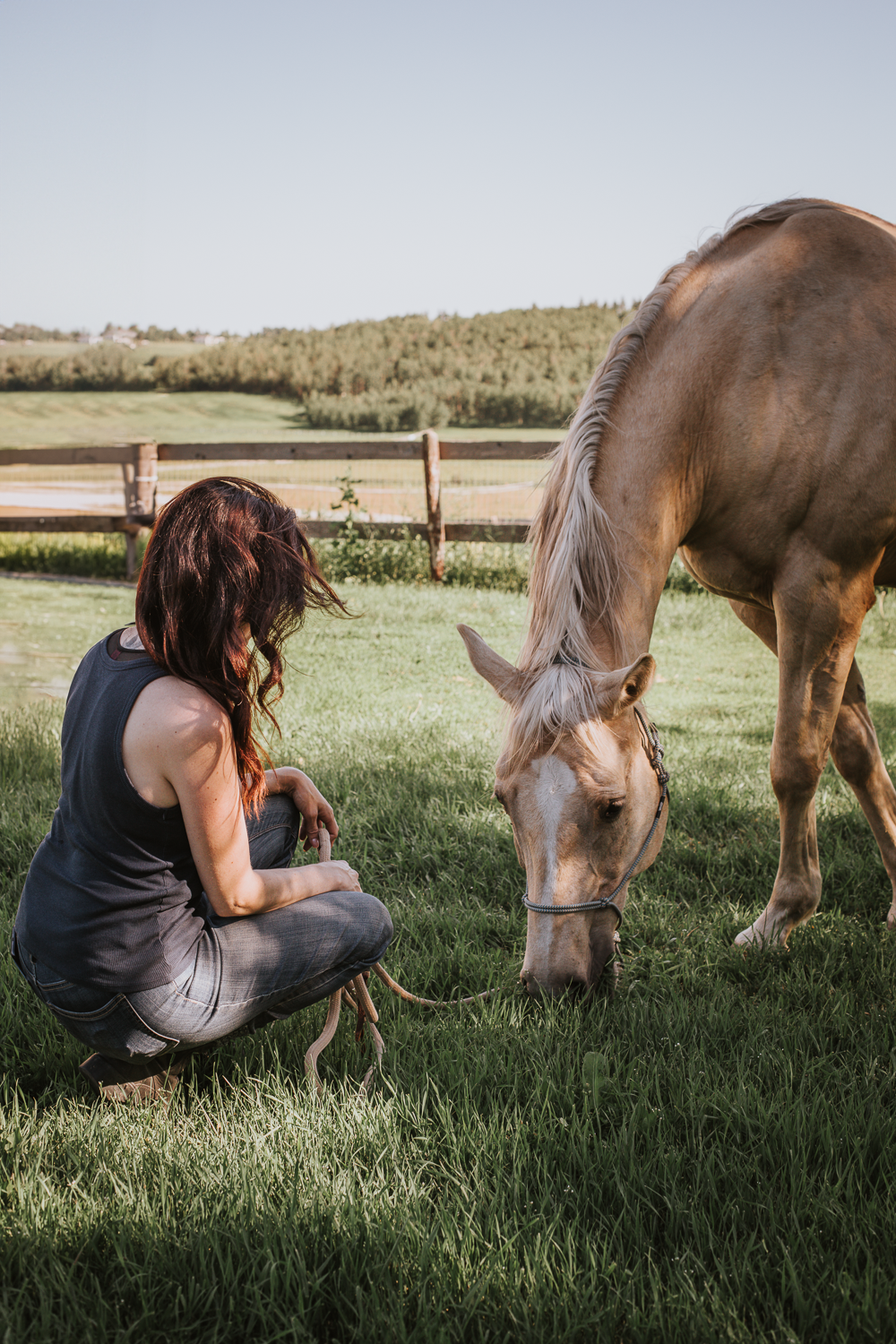
Meet Casper, the Therapy Horse
Casper is a Quarter Horse gelding born in 2011. He is my cherished companion and my greatest teacher.
Casper’s journey has been one of transformation and purpose. He began his early life as a competition horse, showing great athleticism and heart. When he was later diagnosed with kissing spine, his path shifted, opening the door to a new way of being. No longer defined by competition, he became a liberty horse and a quiet teacher of groundwork—helping people learn patience, communication, and trust through subtle connection.
When our paths crossed four years ago, a true partnership began. Over time, with care and understanding, Casper and I built a deep relationship rooted in mutual respect and listening. Everything I teach in equine therapy has, in some way, been shaped by what I’ve learned from him.
Today, Casper is fulfilling his purpose as a therapy horse, meeting with clients and sharing his naturally calm and compassionate presence. He offers comfort and connection to those who spend time with him, gently reflecting emotions and creating a space of safety and trust. Beloved by all who meet him, Casper continues to remind us of the quiet power of empathy and the healing that can unfold through the heart of a horse.
“By watching the behaviour of horses, we can better understand our own behaviour”2.
Standing in a field with horses can be so simple, yet very powerful. We can learn so much by just being with, watching, and observing. Since we often learn in various ways, equine interventions provide a hands-on learning experience for processing challenging emotions. Working with horses enables us to form connections and relationships much more quickly than we typically might with other humans. This can be incredibly helpful in the journey toward healing.
2. Polyvagal Institute. (2023, November). Introduction to horse behaviour and their meanings [video]. Introduction to Equine Assisted Therapy Using Polyvagal Principles. https://www.polyvagalinstitute.org/items/introduction-to-equine-assisted-therapy-using-polyvagal-principles